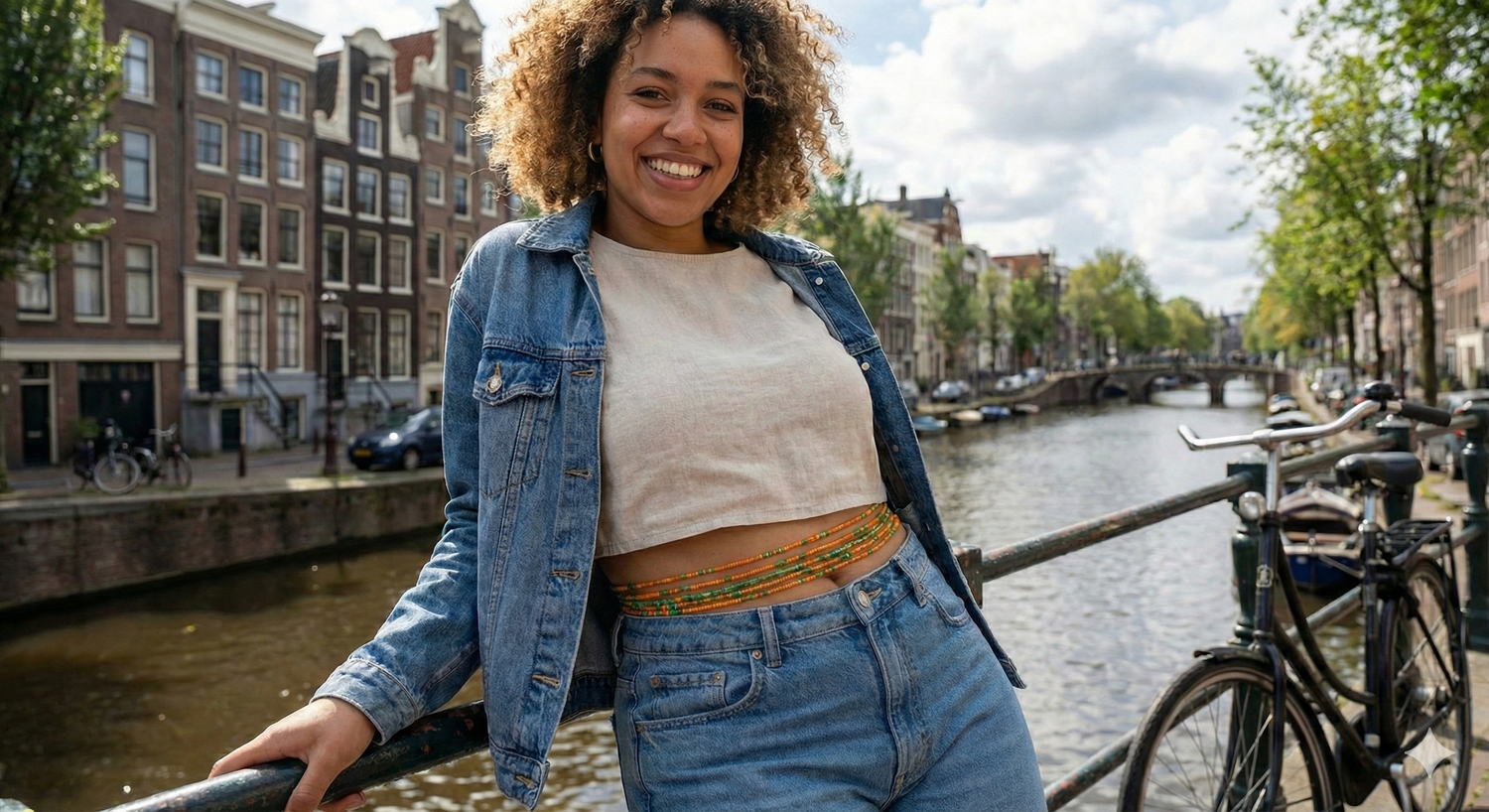
Waarom zelfzorg voelt als een extra taak voor vrouwen en wat ik ontdekte tijdens het knopen van waistbeads deze zomer.
De afgelopen weken heb ik op festivals, markten en evenementen in heel Nederland waistbeads bij vrouwen geknoopt. Verschillende steden.
Verschillende lichamen. Verschillende verhalen. Maar ik bleef hetzelfde opmerken bij vrouwen. Koningin, we zijn moe. Niet alleen fysiek moe. We zijn moe van het constant iemand nieuw worden.
We switchen van werknemer naar moeder. Van moeder naar ondernemer. Van een carrière die ooit indrukwekkend leek naar de ongemakkelijke vraag: "Wil ik dit leven eigenlijk nog wel?"
Sommigen van ons bouwen na bedtijd aan een nevenbedrijf. Sommigen keren na het krijgen van kinderen terug naar hun werk en herkennen de vrouw die oorspronkelijk voor die carrière koos niet meer. Anderen hebben alles gedaan wat hen verteld werd om succesvol te worden en denken stilletjes: "Wacht... is dit het?"
En ergens tussen de Teams-meldingen, schoolberichten, onafgemaakte bedrijfsideeën en was die blijkbaar is begonnen zich te vermenigvuldigen, volgt een andere gedachte ons: "Ik zou meer voor mezelf moeten doen."
Waarom zelfzorg voor vrouwen uitputtend kan voelen
Vrouwen hoeven er niet van overtuigd te worden dat zelfzorg belangrijk is. Dat weten we al.
- We hebben de ochtendroutines opgeslagen.
- De journals gekocht.
- De meditatie-apps gedownload.
- Vrouwen online zien uitleggen hoe een avondritueel van vijf stappen hun leven veranderde.
Het probleem is niet dat we zelfzorg niet begrijpen. Het probleem is dat zelfzorg een ander gebied is geworden waarop van ons wordt verwacht te presteren.
Drink meer water. Beweeg je lichaam. Bereid maaltijden voor. Journal. Stel grenzen. Slaap acht uur. Oefen dankbaarheid. Plan een date night. Bouw een carrière op. Wees aanwezig bij je kinderen. En vergeet alsjeblieft niet om van alles te genieten.
Op een gegeven moment begon zelfs voor onszelf zorgen te klinken als onbetaalde administratie. Dat is belangrijk, want een burn-out wordt niet altijd veroorzaakt door een ontbrekend bubbelbad. Soms vraagt het leven rond een vrouw meer van haar dan een vrouw duurzaam kan geven. Haar vertellen om een betere ochtendroutine toe te voegen, kan de last nog persoonlijker maken. Ze voelt zich niet alleen uitgeput. Ze heeft het gevoel dat ze niet goed herstelt van haar uitputting.
We zijn opgegroeid in een tijdperk waarin drukte een teken van succes was
Veel vrouwen werden volwassen in een tijd waarin druk zijn werd beschouwd als bewijs dat je ertoe deed. We werden aangemoedigd om carrière te maken, een gezin te stichten, een huis te kopen, ambitieus te blijven en onze hobby's om te zetten in inkomen. Rust was iets wat je verdiende nadat je alles had afgerond, wat jammer was, want alles was nooit afgerond.
We werden zeer capabele vrouwen. We kunnen een e-mail beantwoorden terwijl we een boodschappenlijstje maken, een tandartsafspraak boeken en eraan denken dat iemand morgen iets wat met de letter B begint mee naar school moet nemen. Maar capabiliteit heeft een schaduwzijde: mensen raken eraan gewend dat jij alles draagt. Uiteindelijk raak je er zelf ook aan gewend.
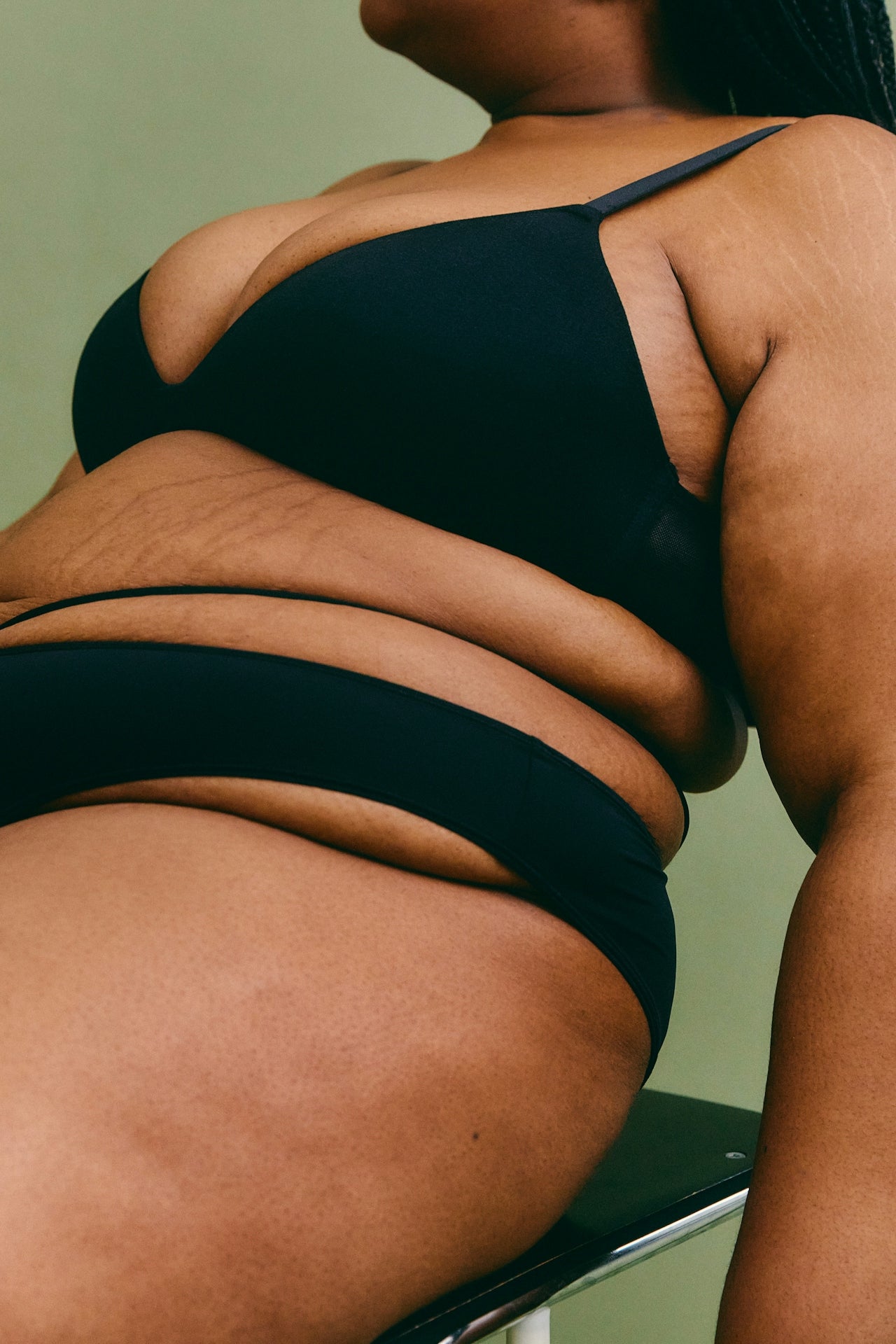
Dan realiseer je je op een dag dat je lichaam jarenlang heeft gefunctioneerd als transportmiddel voor je hersenen. Het brengt je naar je werk. Het draagt kinderen. Het blijft wakker. Het zet door. Het verschijnt pas op foto's nadat het is gepositioneerd, bedekt en geïnstrueerd om kleiner te lijken. Je leeft in je lichaam, maar je hebt zelden het gevoel dat je leeft.
"Het kan me niet schelen wat anderen denken" is nooit mijn waarheid geweest. Ik ben ondernemer, ambtenaar en moeder. Ik bouw ook openlijk aan BySanaah. Dat betekent dat mensen me kunnen zien proberen, veranderen, slagen, fouten maken en opnieuw beginnen. Er zijn meningen. Er is kritiek. Er is liefde. Er is veel. En ik zou je graag het onbevreesde internetantwoord willen geven: *Het kan me niet schelen wat iemand denkt.* Maar dat zou niet waar zijn. "Het kan me eigenlijk wel schelen." Ik ben menselijk. Natuurlijk beïnvloeden sommige meningen mij. Ik geloof niet langer dat kracht betekent dat je zo hard wordt dat niets je kan raken. Er is iets veel krachtiger en, eerlijk gezegd, veel sexier aan gevoelig blijven zonder jezelf te verloochenen.
Dat is deels wat waistbeads me hebben geleerd. Niet hoe ik onaantastbaar moet worden, maar hoe ik naar mezelf terugkeer wanneer de buitenwereld luidruchtig wordt.
Wat traditionele waistbeads voor mij betekenen
Traditionele waistbeads zijn strengen kralen die rond de taille of heupen worden gedragen. Ze komen voor in verschillende Afrikaanse culturen, en hun betekenissen en gebruiken zijn niet overal identiek.
Afhankelijk van de vrouw, familie of culturele context kunnen waistbeads verbonden zijn met versiering, vrouwelijkheid, levensfasen, intimiteit, erfgoed of bewustzijn van veranderingen in het lichaam.
Voor mij, als Ghanees-Nederlandse vrouw, zijn ze geen kostuum, een voorbijgaande trend of simpelweg kleurrijke kralen aan een touwtje. Ze zijn cultuur die je kunt dragen. Ze zijn versiering voor een deel van het lichaam dat veel vrouwen geleerd hebben te verbergen.
En omdat traditionele tie-on waistbeads op het lichaam blijven, hoef je geen andere routine te onthouden. Ze zijn al aanwezig terwijl je werkt, zorgt, haast, rust en opnieuw begint. Ik geloof niet dat waistbeads een burn-out genezen. Ze kunnen je werkdruk niet verminderen, een oneerlijke werkplek niet herstellen of het ondersteuningssysteem creëren dat je verdient. Maar ze kunnen iets stillers doen. Ze kunnen de gewoonte doorbreken om te vergeten dat jij een persoon bent binnen het leven dat je beheert.
Het moment dat ik me realiseerde dat ik een groter verhaal moest vertellen
Op recente evenementen had ik soms maar een paar minuten met elke vrouw. Ik hielp haar een streng waistbeads te kiezen, mat deze op en knoopte deze om haar lichaam terwijl andere mensen in de buurt wachtten. Af en toe werden mijn traditionele tie-on waistbeads vergeleken met goedkope elastische versies. En ik begreep de vergelijking. Als waistbeads worden gepresenteerd als niet meer dan accessoires, dan wordt prijs de eenvoudigste manier om ze te beoordelen. Maar terwijl ik daar stond met mijn handen om de taille van een vrouw, haar hoorde vertellen waarom ze die kleur had gekozen of in welke levensfase ze zich bevond, realiseerde ik me: "Ik heb niet het hele verhaal verteld."
De kralen die ik knoop zijn niet alleen waardevol omdat ze mooi zijn. Het moment bevat ook culturele kennis, zorg, aanraking, vertrouwen en verbinding. Het is de ene vrouw die een andere vrouw toestaat precies dat deel van haar lichaam te versieren dat ze misschien jarenlang heeft bekritiseerd. Dat is geen transactie waar ik me doorheen wil haasten. Het is niet alleen: "Hier zijn je kralen. Volgende." Het is: "Welkom. Jij hoort hier ook."
Misschien heb je geen nieuwe zelfzorgroutine nodig
Misschien hoef je niet eerder op te staan. Misschien heb je geen nieuwe agenda nodig, geen perfecte zelfzorg-zondag-reset of een 30-dagen-uitdaging waarover je je schuldig zult voelen als je die op dag vier opgeeft. Misschien kan zelfzorg beginnen met weigeren je huidige lichaam als wachtkamer te behandelen.
Maak de foto, geniet van de zomer. Geniet van je lichaam dat je door de veranderingen heen draagt. Geniet van je lichaam dat naar je werk gaat terwijl je je carrière in twijfel trekt. Geniet van je lichaam dat een bedrijf opbouwt nadat iedereen is gaan slapen. Geniet van je lichaam dat zo efficiënt heeft gefunctioneerd dat je bijna vergat dat er een vrouw in leefde. Je hoeft niet van elk deel van je lichaam te houden voordat je het versiert. Soms begint een andere relatie met je lichaam met versiering.
Van een sieraad tot een teken van een nieuw hoofdstuk, ik ontmoet vaak vrouwen die tussen versies van zichzelf in zitten. Hun oude leven past niet meer, maar hun nieuwe leven is nog niet volledig aangebroken. Ze navigeren misschien door moederschap, burn-out, echtscheiding, herstel, een carrièrewissel, een nieuw bedrijf of simpelweg het besef dat ze meer willen dan overleven.
Een waistbead hoeft die overgang niet op te lossen om hem te markeren. Het kan een duidelijke beslissing vertegenwoordigen:
- Ik koop kleding voor het lichaam dat ik nu heb! Ik zal stoppen met het vrijwillig op me nemen van verantwoordelijkheden waar ik al een hekel aan heb.
- Ik zal mezelf toestaan om op vakantiefoto's te verschijnen.
- Ik zal me herinneren dat ik meer ben dan de rollen die ik speel.
- Ik zal niet wachten tot mijn hele leven verandert voordat ik mezelf op een tastbare manier kies.
Dat is het soort zelfzorg waar veel vrouwen naar verlangen, geloof ik. Geen nieuwe prestatie. Iets echts. Iets fysieks. Iets dat een gewone dinsdag kan overleven.
Je bent niet de enige vrouw die dit zo voelt. Op een evenement riep een vrouw die waistbeads droeg me toe: “Laten we vrienden worden!” Mijn eerste gedachte was: "Ja, koningin! Dat zijn we eigenlijk al."
Want er is gemeenschap in het herkennen van iets in elkaar. De vrouw die moe is van het uitstellen van zichzelf, herkent de vrouw die hetzelfde heeft gedaan. De vrouw die opnieuw begint, herkent een andere vrouw die tussen versies in staat. De vrouw die jarenlang haar buik als een probleem behandelde, herkent de moed die het kost om er iets moois omheen te plaatsen.
Dat is de gemeenschap die ik wil dat BySanaah wordt: een plek waar de West-Afrikaanse wortels van waistbeads worden benoemd en gerespecteerd, en waar moderne vrouwen ze kunnen ervaren zonder te horen dat ze eerst dunner, spiritueler of zelfverzekerder moeten worden. Je kunt komen zoals je bent, koningin.
Een draagbare vorm van zelfzorg voor het leven dat je al hebt. Als je in een lichaam hebt geleefd dat alleen lijkt te werken, dragen, organiseren en doorstaan, wil ik je dit laten weten: "Je bent niet verdwenen." Je hoeft de vrouw die je vroeger was misschien niet te vinden. Ze past misschien niet meer bij het leven dat je opbouwt. Maar de vrouw die je aan het worden bent, verdient het om opgemerkt te worden!
Traditionele waistbeads kunnen een kleine, tastbare manier zijn om dat moment te markeren! Soms kan zelfzorg beginnen met één beslissing die om het lichaam is geknoopt waarin je al leeft.
Klaar om je volgende hoofdstuk te markeren? Ontdek de traditionele tie-on waistbeads van BySanaah en kies de streng die bij jou past, zoals je nu bent. Ga naar www.bysanaah.com voor jouw favoriete waistbeads.


Laat een reactie achter
Alle reacties worden gemodereerd voordat ze worden gepubliceerd.
Deze site wordt beschermd door hCaptcha en het privacybeleid en de servicevoorwaarden van hCaptcha zijn van toepassing.